
Prices dip today… but Britain’s cost-of-living nightmare is far from over
20 May 2026
·
Liz Barclay
Share:
Inflation may have fallen to 2.8%, but don’t expect life to get cheaper anytime soon. Experts are warning today’s drop could be short-lived, with energy bills, petrol prices and food costs all expected to surge again this summer as global tensions push up oil and gas prices. Small businesses say the official figures bear little resemblance to the real cost pressures hammering Britain’s high streets.
Good news on inflation. It’s down today 20th May 2026 from 3.3% to 2.8%, its lowest level in over a year. Enjoy it while it lasts because the people who do the figures are warning that this may be a brief sunny spell before another economic storm rolls in.
According to the latest ONS figures, which are from April, the fall from 3.3% last month was driven mainly by a temporary drop in household energy bills after Ofgem cut its price cap by 7% in April. With the price cap due to be reset in July this dip is likely a blip, not a turning point.
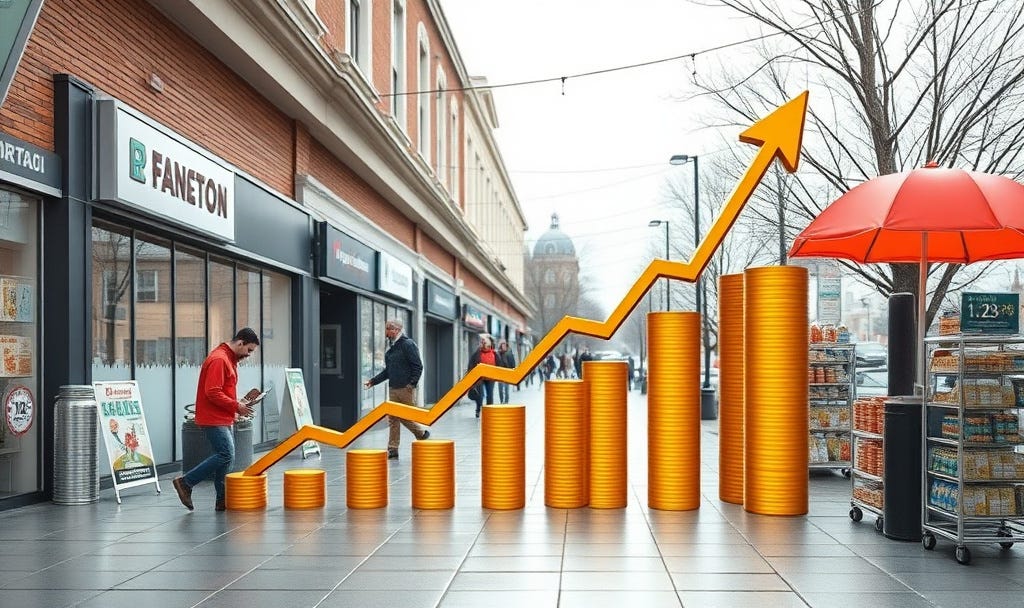
inflation rises
Energy bills are set to rocket again with the Iran conflict is pushing up global oil and gas prices. Analysts warn the energy price cap will jump sharply in July, reversing April’s relief. Some forecasts suggest a 12% rise, adding nearly £200 a year to bills.
Food inflation slowed slightly last month too, but it could return to near double‑digit levels later this year if the Middle East crisis continues. Fertiliser costs are a nightmare and could lead to high prices later in the year and into next. Apparently, the drop in food inflation today is down to falls in prices of meat and chocolate.
Fuel prices are already soaring and petrol prices jumped by 16.6p per litre between March and April, the biggest upward pressure on inflation last month.
Economists warn of a summer spike with some predicting inflation could hit 4–5% by summer as the Iran war’s full impact hits energy and food costs. That’s unless the government hits on an as yet undiscovered way of creating policy that brings prices down.
This isn’t the end of higher inflation. This fall is mostly artificial, caused by government measures and a one‑off energy cap reduction. Underlying pressures on fuel, food, factory costs, are all rising again. Input prices for manufacturers jumped 7.7% in April, hinting at more expensive goods ahead. The headline inflation figure of 2.8% isn’t something many small businesses will recognise as they struggle with the rising costs of doing business.
How will the Bank of England react on interest rates this month. All signs point to a rate hold, not a cut:
The Bank of England kept rates on hold last month and expects inflation to rise again under several scenarios.
The IMF has advised the Bank to keep rates steady for now.
Markets now expect fewer and slower rate cuts this year due to the energy shock.
We can’t expect cheaper borrowing anytime soon.
Inflation may be down today, but the cost‑of‑living crisis isn’t over yet. With energy bills set to soar again and food prices ready to bite, this drop looks more like a false dawn than a real turning point.
Share:
Discuss this article
Have questions or insights? Start the conversation with the Business111 community.
Sign in to join the discussion