
Poundland crisis threatens to drag struggling high streets down with it
3 November 2026
·
Liz Barclay
Share:
If Poundland collapses, how many British high streets will follow?
If even Poundland can't survive on Britain's battered high streets, what hope is there for everyone else? The discount retailer is more than a place to pick up cheap household essentials. It's a lifeline for cash-strapped families and a magnet for shoppers who keep neighbouring cafés, barbers, takeaways and independent shops in business. If Poundland disappears, the damage could spread far beyond its empty shopfronts. And for some struggling town centres, it could be the final nail in the coffin.
HOW MUCH MORE CAN HIGH STREETS TAKE
If Poundland goes how many High Streets will go with it
The collapse of Britain’s biggest ‘value retailer’ would leave unfillable gaps in many high streets, just when the cost of living is such that many customers depend on it. Poundland is one of the last true “anchor” left on Britain’s struggling high streets; stores that pull people in. If it were to close, or even shrink significantly, the impact would be painful.
This isn’t just about cheap shampoo, pet treats and stationery. It’s about footfall, confidence, community life and the survival of hundreds of small businesses that rely on Poundland’s gravitational pull. It’s also about 1,200 jobs and the families who depend on the income from those jobs, and the small businesses that supply Poundland and their employees. The ripple will go far and wide.
Poundland is one of the last mass‑market footfall engines
When a Poundland opens, people come because they need what it sells. When a Poundland closes, people stop coming to high street shops that are otherwise too expensive.
Poundland drives everyday essential shopping, impulse visits, multi‑stop trips, footfall for cafés, barbers, takeaways, nail bars, florists and corner shops as well as for charity shops, discount stores and independents. Remove Poundland from the equation and you remove the everyday traffic that keeps high streets alive.
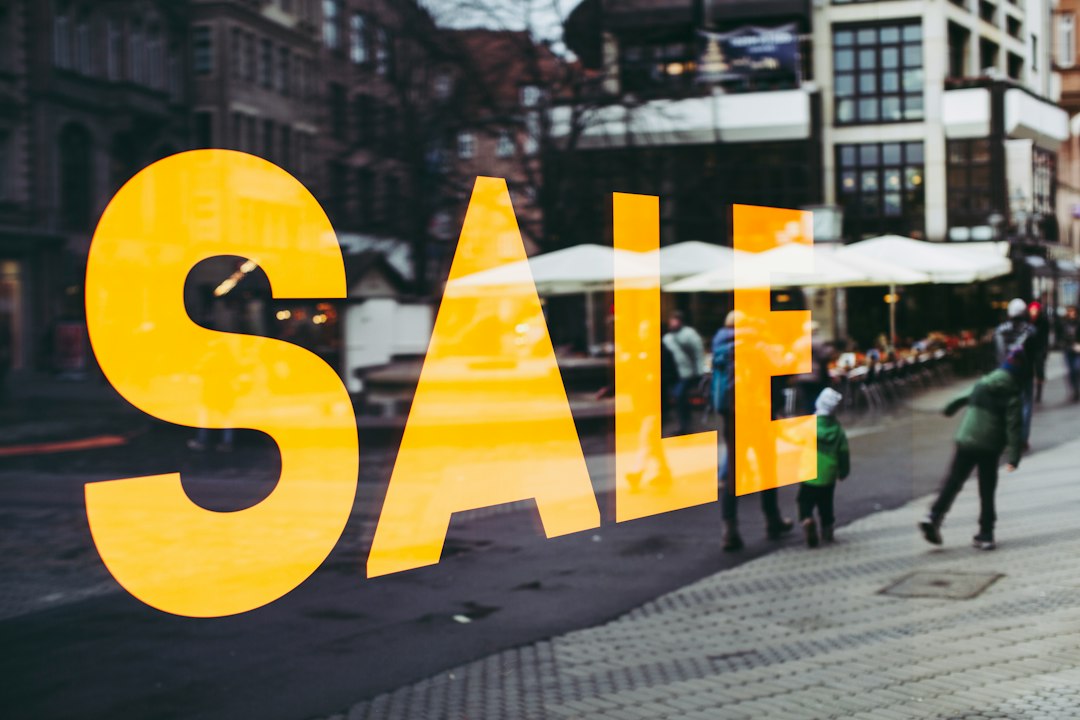 Photo by Markus Spiske on Unsplash photo-1580828343064-fde4fc206bc6
A domino effect
Poundland stores are large, central and highly visible. If they shut big units sit empty and neighbouring shops lose footfall and passing trade. If landlords panic, either rents go up too high for any replacement shop to afford, or rents fall and the crime related ‘fronts’ take advantage. Either way, more closures follow and high streets hollow out.
Once one anchor goes, the street starts to look abandoned and customers behave accordingly.
Small business impact
Poundland customers are the same customers who grab a coffee or lunch, get a haircut, have a look in the charity shop and book a nail appointment. Take Poundland away and you take away the daily rhythm that keeps micro‑businesses afloat. For many independents, losing that footfall would be the difference between surviving and shutting down within months.
The warning signs
If Poundland struggles, it tells us that household budgets are under extreme pressure and discretionary spending is collapsing. Even essential‑goods retailers are feeling the squeeze because inflation is still biting and supply chain costs are high. Despite recent Government measures on business rates in the Budget rents and business rates are unsustainable for many and consumer confidence is fragile. The rise in people worried about affording anything special for their children over Christmas, has led to charities reporting that requests for help are already soaring.
Value retailers are usually the last to fall and if they wobble, the rest of the high street is already in trouble.
Collapse
Poundland stores are disproportionately found in coastal towns, low‑income communities and places with few alternatives. It has also been a stalwart of high‑street regeneration zones. For many households, Poundland is the affordable and accessible option so its closure would increase the cost of living for people who can least afford it.
Without Poundland more people are likely to shop online which means they visit town centres less often and local businesses lose customers. If high streets hollow out in this way regeneration becomes harder, councils lose revenue and antisocial behaviour rises in empty areas. High streets don’t die overnight; they die one anchor at a time.
Psychological impact
Poundland has long been a symbol of affordability and accessibility, everyday life and community convenience. If even Poundland can’t survive, what hope is there for the rest of the high street? That’s the kind of sentiment that kills investment, confidence and local pride.
If Poundland does go to the wall, it wouldn’t just be the loss of a discount retailer. It would be a blow to deprived communities and a warning sign for the UK economy. It’s more than a shop; it’s one of the last pillars holding up the everyday economy. It’s another sorry story of deteriorating high streets and a huge worry for it’s 1,200 employees, its suppliers and their futures.
Share: