
Landlord tax squeeze risks landing tenants with higher rents
29 October 2026
·
Liz Barclay
Share:
Rental income tax rises put landlords and tenants under pressure
The Treasury may collect the tax, but tenants could help carry the cost. Another increase in property income tax will squeeze landlords’ returns, and the OBR warns that the cumulative pressure risks higher rents over time. A policy presented as fairer taxation could make finding an affordable home harder.
HIGHER TAX ON RENTAL INCOME
Raising tax, again, in the Budget (28th October), on rental income by another two per cent, could be existential for a sector already under strain.
Combined with last year’s two per cent rise, landlords will face a four per cent tax increase on rental income from April next year. The Office for Budget Responsibility (OBR) has warned this will push up rents, reduce supply and deter new landlords from entering the market. This is a structural shift that will reshape the rental landscape.
Lunacy
The OBR has told the Treasury that higher tax on rental income will lead to a steady rise in rents. Their analysis highlights:
Fewer new landlords entering the market, reducing long‑term supply and
Existing landlords passing on costs, especially as some exit and remaining landlords have more pricing power.
With demand already outstripping supply in many regions, the OBR says rising rents are more likely than not. Estate agents have called the move “lunacy”, warning it will put even more pressure on affordability for tenants.
Landlord Exits
The rental sector has already been hit by:
the Renters’ Rights Act
mortgage rate increases
energy efficiency requirements and
previous tax changes.
The Budget announcement adds another cost at a time when returns have been falling. The OBR says that recent measures have “reduced private landlord returns”, and this latest rise will deepen the trend. Landlords warn this is the final nail in the coffin for many small operators. Every extra cost either forces rents up or pushes another landlord to sell, leaving it hard for tenants to find and afford homes.
New landlords
The OBR says potential landlords are less likely to enter the market under the new tax regime. That means:
fewer rental homes being created
slower replenishment of stock when landlords exit and
long‑term supply decline.
This is the opposite of what the government says it wants, given it’s already behind on housebuilding targets.
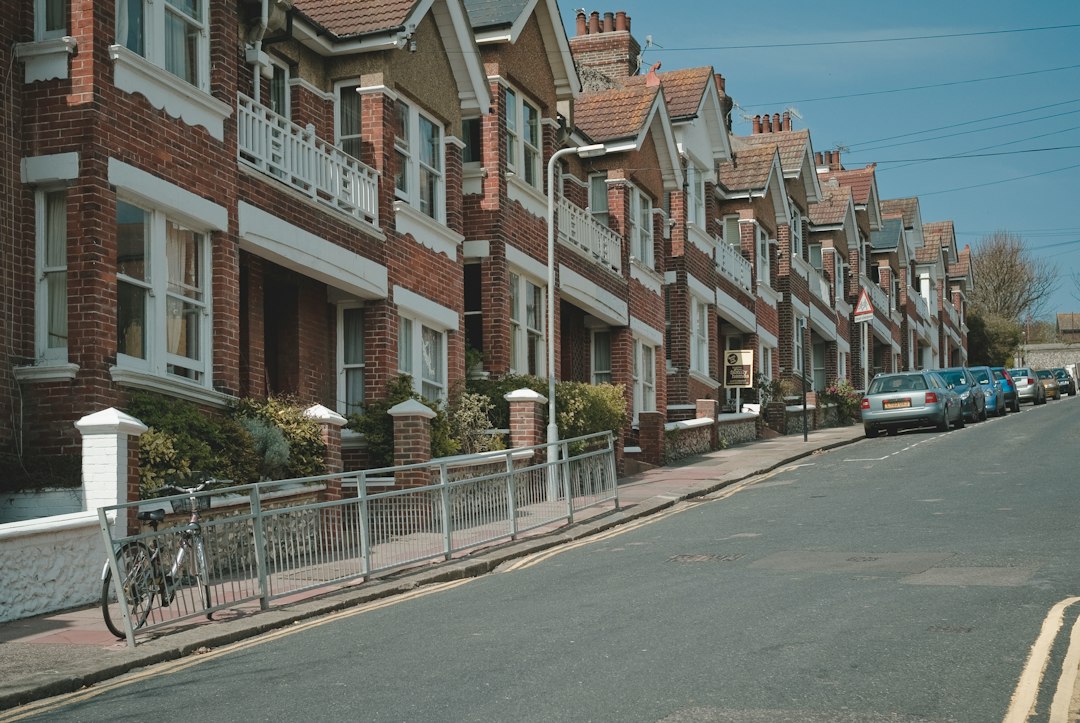
Photo by Egor Myznik on Unsplash
Tenants Bear the Brunt
The government argues the tax rise affects only 16 per cent of income taxpayers and that half the revenue will come from the top 10 per cent of households. That doesn’t change the market reality though. When landlord costs rise, tenants ultimately pay through:
higher rents
fewer available homes
more competition for each property and
reduced choice and quality.
Policy Contradiction
The Chancellor says he wants to cut “pointless bureaucracy” for small businesses. Yet landlords point out that:
the Renters’ Rights Act increased compliance costs
last year’s Autumn Budget raised tax and this Budget raises tax again
supply is falling and rents are rising.
Industry leaders say the government is actively dismantling the rental sector, even as it claims to support renters.
Structural
The Budget measure on Oct 28th suggests that the government is willing to trade rental‑sector stability for additional tax revenue. The consequences will be felt across the market as rents rise, supply falls, landlords exit and new landlords stay away. Tenants will face tougher conditions. For many that all adds up to a structurally weakened sector.
Share: