
Britain’s tax gap demands clearer rules for small firms
10 November 2026
·
Liz Barclay
Share:
Make tax simpler and help small businesses get it right
Small business owners should not need to become tax experts to pay what they owe. Confusing rules, poor records and stretched cashflow can leave firms facing trouble and the Treasury missing revenue. Tackling those problems deserves as much attention as pursuing people deliberately dodging tax.
THE £30–£48 BILLION PROBLEM
Small Businesses Are Struggling to Pay the Right Amount of Tax. Fixing the Problems Could Transform the UK Economy
HMRC estimates that small businesses fail to pay between £30bn and £48bn in tax every year and that they are responsible for the biggest slice of the UK’s £59.2bn tax gap.
Micro and small businesses aren’t dishonest. HMRC’s own analysis shows that the biggest causes are mistakes, complexity and carelessness, but not deliberate evasion.
The UK has millions of small and micro businesses, many operating with the help of accountants, finance teams or digital systems. When you combine complexity with volume, you get a tax gap that is now large enough to affect public services, national growth and the cost‑of‑living crisis. Solving this would be transformational for the UK economy. The Tax Simplification Taskforce was set up to do this a few years ago and failed, but just because it’s difficult doesn’t mean we shouldn’t try again.
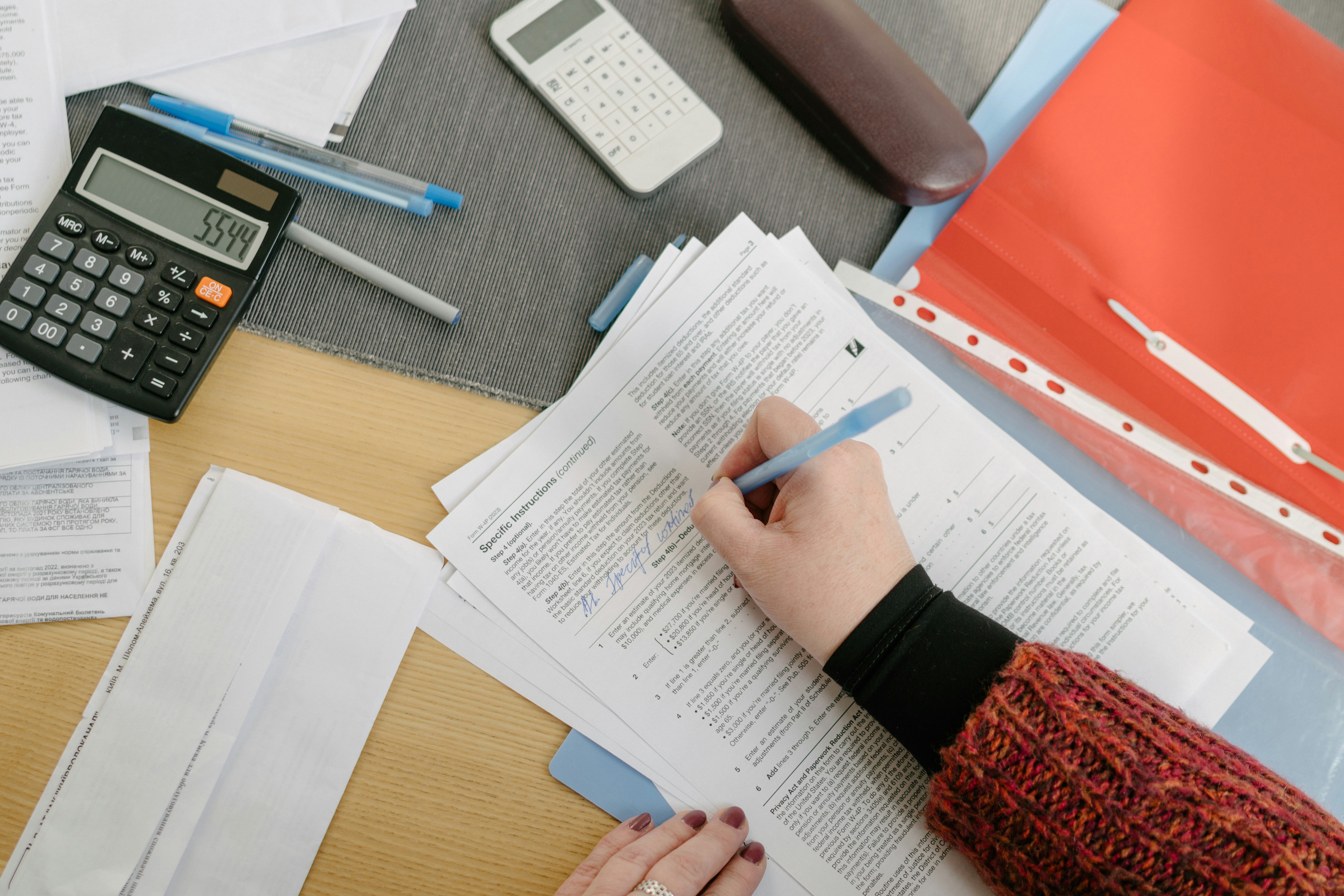
Photo by Irfan Syahmi on Unsplash
£30–£48bn Short
Complexity is the biggest problem. HMRC data shows that just over a third of the tax gap is “failure to take reasonable care”, 16% is genuine error and around 12% is deliberate evasion. That means that half the gap is accidental. When you look at the tax rules is it any wonder. Small and micro businesses have to deal with:
VAT
PAYE
Corporation Tax
Income Tax
CIS
Allowable expenses rules
Digital reporting requirements
Most business owners aren’t tax experts, so mistakes are inevitable. Even using an accountant isn’t a guarantee that your bill will be correct, because the rules are a nightmare and the system was built for big businesses.
Millions get it wrong
Small businesses make up 99.6% of all UK firms. Even tiny mistakes, repeated across millions of businesses, create huge numbers. HMRC says “Small businesses are the single largest contributor to the tax gap at 62%.” Many small firms don’t keep proper records, mix personal and business spending, misreport allowable expenses, miscalculate profit and file late or inconsistently. This is especially true for sole traders and micro‑companies. Unless you’ve run a small business it’s not possible to understand all the hats owners have to wear and all the admin they have to contend with, all of which leads to mistakes and confusion.
Cashflow pressure leads to late or non‑payment
Some businesses simply can’t pay the tax bill which it arrives. This is counted in the tax gap. Late payment from customers, rising costs, and thin margins mean tax bills get pushed aside in favour of keeping the business afloat. If the business goes under there’s little chance of HMRC getting any of the money owned and there’s nothing being generated to pay future tax on.
The system is too complicated
The UK tax system is built for accountants and big business finance and compliance teams to get their heads around. It certainly didn’t think about proportionality for small and micro business owners. On top of that the rules change frequently, the HRMC guidance is hard to interpret and digital systems are inconsistent. Small businesses are set up to fail because the system didn’t take their needs into account.
Radical simplification
The UK needs a Small Business Tax Code; a simplified, consistent set of rules for micro‑entities and sole traders, which would reduce errors and admin, and increase compliance and revenue into HMRC.
HMRC could provide free or low‑cost digital tools that track income, categorise expenses, calculate tax automatically and integrate with Making Tax Digital which many small businesses are already using and have the necessary tools for. If the system is automated, mistakes fall dramatically.
HMRC could also introduce a threshold where small mistakes are corrected without penalties. This would encourage honesty and reduces fear.
Better guidance
Most HMRC guidance is too technical and much of the language is only penetrable by experts. Small businesses don’t understand it and need simple examples. Sector‑specific guidance and video explainers with checklists and templates would cost little and have a big impact.
A dedicated helpline staffed by specialists who understand microbusiness realities would reduce errors and increase compliance.
Quarterly payments for some taxes could be replaced with flexible, real‑time systems linked to actual income and that would reduce non‑payment caused by cashflow shocks.
The Benefits
Solving this problem would bring in up to £48bn more revenue for the Treasury without raising taxes. If small business compliance improves, HMRC collects more without increasing tax rates. This is politically attractive and economically powerful.
The extra £30–£48bn is a significant amount of money and could go towards improving the NHS and social care or some of the other impoverished public services like policing and education.
Stronger small businesses
Simplification of the tax system would benefit small and micro businesses to by reducing admin burden, penalties and fear of dealing with HMRC
Less time spent on tax admin means more time spent on customers, innovation and investment and on working on growing the business. Small businesses are penalised for complexity while large businesses have accountants. Fixing the system levels the playing field.
Win-Win
Small businesses are failing to pay £30–£48bn a year because the tax system is too complex, confusing and difficult for people to navigate. The solution isn’t harsher penalties. It’s simplification, automation, support and fairness. If HMRC, treasury, the Government and the Chancellor get this right everyone wins. Let’s hope the Chancellor is listening.
Share: