
£15.6m Torsion collapse leaves suppliers facing nothing
22 September 2026
·
Liz Barclay
Share:
Construction’s insolvency crisis crushes small subcontractors
Hundreds of suppliers are unlikely to recover a penny of the £15.6 million owed following the collapse of Torsion Construction. For small subcontractors already squeezed by long payment cycles, rising costs and restricted finance, one unpaid account could now bring down another business—and send the shockwaves travelling further through the construction supply chain.
FRAGILE UK CONSTRUCTION
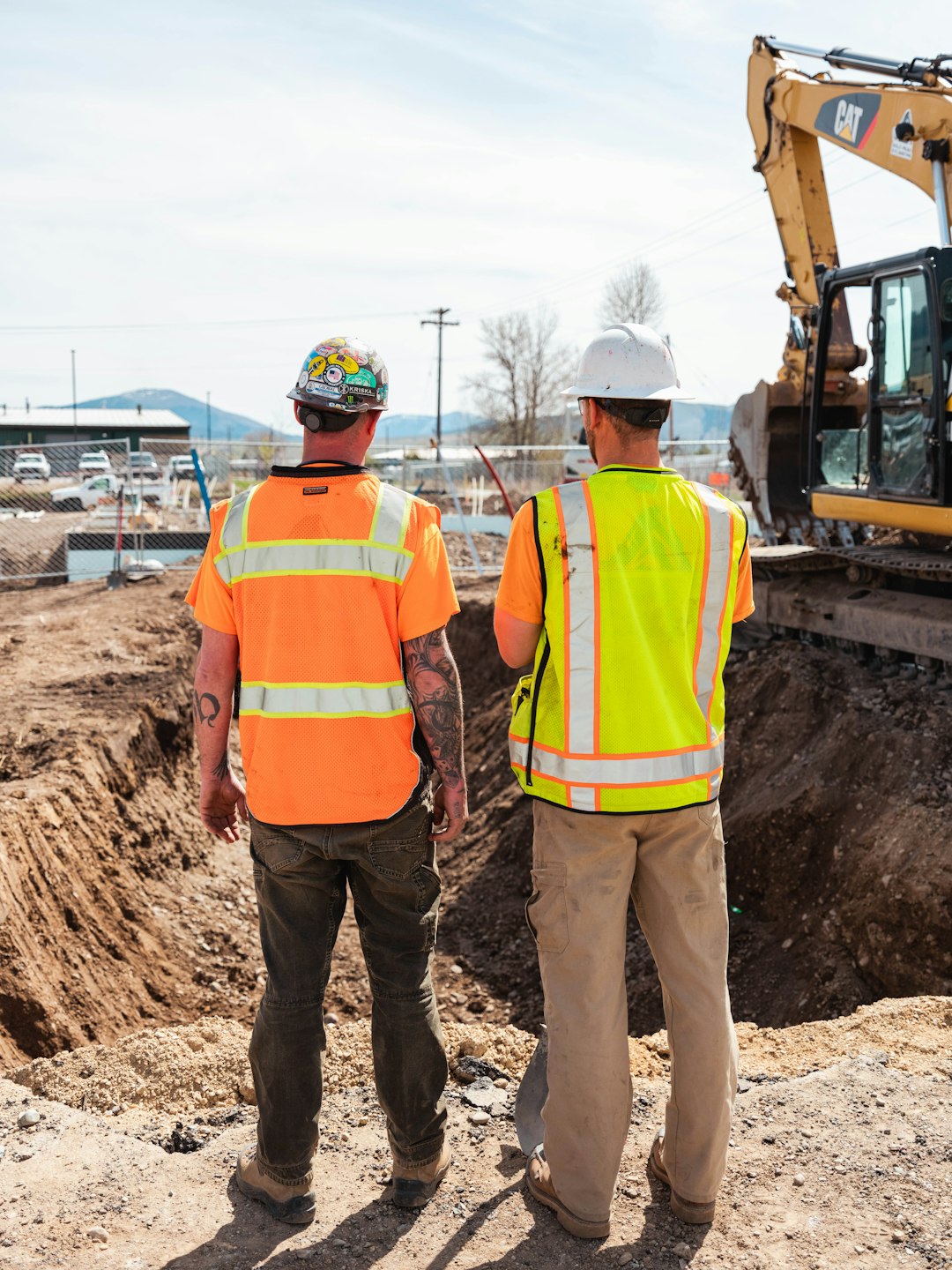 £15.6m owed to suppliers. Zero return for unsecured creditors. Another warning sign for a sector under strain and it’s the smallest that are hit hardest.
When Torsion Construction went into administration in July, it was just the latest catastrophe in a long line of construction catastrophises. It owed hundreds of suppliers at least £15.6 million.
That’s yet another devastating blow to subcontractors already operating on razor‑thin margins. Despite attempts to protect subbies through direct‑payment arrangements with funders, the company’s deteriorating cash position left it with no flexibility and no way out.
Administrators for the company now say unsecured creditors are “highly unlikely” to get a penny. For many small and micro construction firms, that means more bad debt they can’t absorb and another shock in a sector already facing record insolvencies.
THE NUMBERS:
Construction failures are still the highest of any UK industry. The collapse of Torsion is not an isolated event but part of a wider pattern.
Construction accounts for 17% of all UK company insolvencies, even though the sector makes up only 6–7% of UK economic output.
3,841 construction businesses became insolvent in the 12 months to July 2026. That’s slightly down from 3,976 the previous year, but still 19% higher than pre‑pandemic levels in 2019.
343 construction firms failed in July 2026 alone up from 332 in June and July 2025.
Specialist subcontractors are the hardest hit: electrical, plumbing, plastering, painting, glazing, demolition and site‑prep firms accounted for 186 insolvencies in July.
This is the backdrop against which Torsion folded, and it explains why its collapse is so damaging for small firms.
TORSION
Torsion’s financials tell the story of a sector under pressure:
2025: £165m turnover, £497k pre‑tax profit
2026: £78m turnover, £847k loss
This is a grim picture of a halving of turnover and a swing into loss, driven by rising costs and a slowdown in construction activity.
As liquidity worsened, Torsion arranged direct payments from development funders to subcontractors to keep projects moving. This protected some suppliers but drained Torsion’s working capital and accelerated its collapse.
When the company finally went under, the supply chain was left exposed.
The Impact
Bad debt small firms cannot absorb
Small subcontractors often operate with thin margins, limited reserves, high upfront costs and long payment cycles. A single unpaid invoice can wipe out a month’s cashflow. A major contractor collapse can wipe out the business.
Cashflow shock spreads across the supply chain
When a Tier 1 contractor fails plant hire firms, scaffolding companies and tradespeople all lose payments at once. Many have already written off average bad debts of £23,000 in 2026.
Access to finance is tightening
Half of small construction firms say external finance has become harder to get. That’s the highest of any sector. Banks price risk higher because construction is the UK’s highest‑insolvency industry.
Rising costs and energy volatility are squeezing margins
Material costs, fuel, transport and energy remain volatile due to geopolitical tensions, including the US‑Iran conflict. This makes pricing work harder and increases the risk of fixed‑price contracts becoming loss‑making.
Project delays and cancellations ripple outward
When a contractor collapses projects stall, subcontractors lose future work and people are laid off. While the equipment is sitting idle on the site the insurance and bonding costs are rising. Small firms have no buffer for prolonged downtime.
The Doom Loop
Construction businesses are stuck in a dangerous cycle of high costs, volatile energy markets, slow demand, tight finance, long payment terms and rising insolvencies
Insolvencies figures don’t look like coming down significantly any time soon, at least until there’s a clearer picture on energy prices and geopolitical risk.
For small and micro firms, this means more contractor failures, more bad debt, and more pressure on cashflow.
Ripples
The collapse of Torsion Construction is not just another insolvency. It’s a warning signal for the entire sector. With 3,800+ construction failures in the past year and subcontractors carrying the heaviest burden, small and micro firms are being pushed to breaking point.
The UK construction sector needs stronger payment protections, better oversight of contractor liquidity, fairer contract terms, and quicker intervention when financial distress emerges. When a major contractor falls, small businesses fall with it. Some shut up shop and skills can be lost to the industry if there are no alternative contracts available. The damage spreads far beyond one company.
Share: